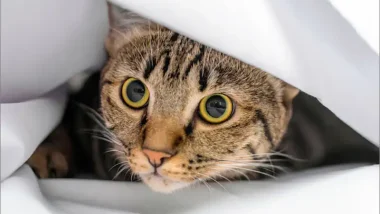
Have you ever watched dog owners showing off their pet’s impressive tricks, and wished your cat could learn similar skills? I’m here with some exciting news – cats are absolutely trainable! While we typically associate tricks with dogs, our independent kitties can master commands too, and it’s much easier than most cat parents realize.
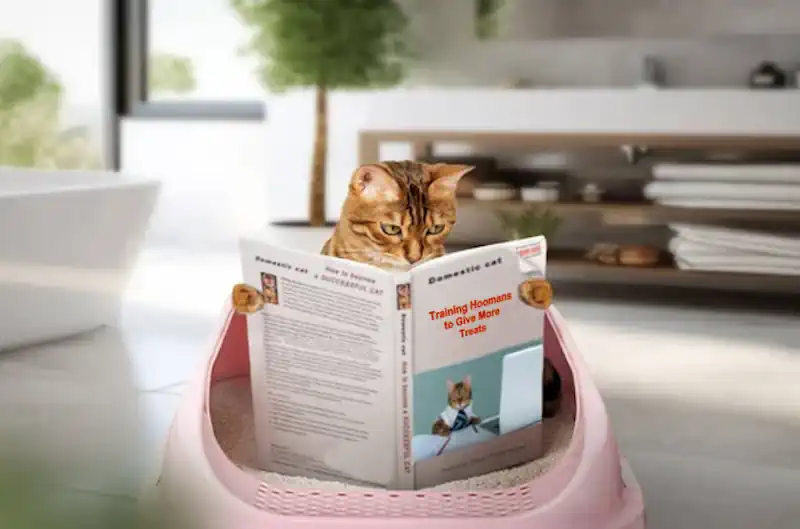
Teaching your cat tricks isn’t just about showing off at your next dinner party (though that’s definitely a perk!). It provides crucial mental stimulation, strengthens your bond, and gives your indoor cat some much-needed physical activity. With some patience, consistency, and their favorite treats, you’ll be amazed at what your clever kitty can accomplish.
Can Cats Really Learn Tricks?
If you’ve ever doubted your cat’s trainability, you’re not alone. Many cat owners assume their independent pets aren’t interested in learning commands. But according to veterinary expert Dr. Bethany Hsia, cats are perfectly capable of learning tricks – they just approach training differently than dogs do.
The Four Essential Elements of Successful Cat Training
Dr. Hsia explains that teaching cats tricks requires just four key ingredients: “Positive reinforcement methods, patience, short training sessions, and consistency.” While cats may have a reputation for independence, they’re actually quite intelligent and responsive to the right training approach.
Positive reinforcement is the cornerstone of cat training. This means rewarding behaviors you want to see with something your cat values – usually tasty treats, enthusiastic praise, or a quick play session with their favorite toy. The key is making the connection clear between the desired action and the reward.
Remember that cats have notoriously short attention spans. Unlike dogs, who might happily train for 30 minutes, your cat will likely lose interest after just a few minutes. Short, frequent sessions will yield much better results than marathon training attempts that leave both of you frustrated.
The Timeline: How Long Does It Take to Train a Cat?
If you’re wondering how quickly your cat will master new skills, the answer varies based on several factors. Dr. Hsia notes, “The speed at which a cat learns a trick depends on the individual cat, the complexity of the trick, and the training methods used.”
Setting Realistic Expectations for Your Training Journey
Simple commands like “sit” or “high five” might be picked up within days or weeks with consistent practice. More complex behaviors naturally take longer. Think of cat training like learning a new language – some concepts are simple to grasp while others require more practice and reinforcement.
Your cat’s personality also plays a significant role in their training timeline. Some cats are naturally more food-motivated or eager to please, making them quicker studies. Others may require more patience and creativity to find what motivates them effectively.

3 Compelling Reasons to Start Teaching Your Cat Tricks Today
Beyond the novelty factor, there are several meaningful benefits to teaching your cat new skills. Here’s why dedicating a few minutes each day to training can significantly improve your cat’s quality of life:
Mental Enrichment for a Happier Cat
Boredom in cats often leads to problematic behaviors like excessive grooming, blanket sucking, or destructive tendencies. Training sessions provide valuable mental stimulation that keeps their intelligent minds engaged and satisfied.
Just like humans need mental challenges to stay sharp, cats benefit from learning new skills and solving problems. Think of trick training as the feline equivalent of a crossword puzzle – it exercises their brain in ways that passive play sometimes can’t match.
Strengthening Your Human-Cat Relationship
Training sessions create positive associations between you and your cat. When you become the source of fun challenges and delicious rewards, your bond naturally deepens. The communication skills you both develop during training carry over into everyday interactions.
Many cat owners report that regular training sessions help shy or standoffish cats become more confident and affectionate. The predictable structure and positive reinforcement create a sense of security and trust that benefits your relationship in countless ways.
Physical Exercise for Better Health
Many tricks naturally incorporate movement, providing indoor cats with valuable physical activity. With feline obesity becoming increasingly common, these active training sessions can contribute to your cat’s overall health and weight management.
Even simple tricks like “high five” or “roll over” require your cat to use different muscle groups and maintain flexibility. For indoor cats especially, this structured physical activity is invaluable for maintaining good health.
Step-by-Step Guide: Teaching Your Cat to Sit
Ready to start your training journey? Let’s begin with one of the simplest and most practical tricks – teaching your cat to sit on command.
What You’ll Need for Success
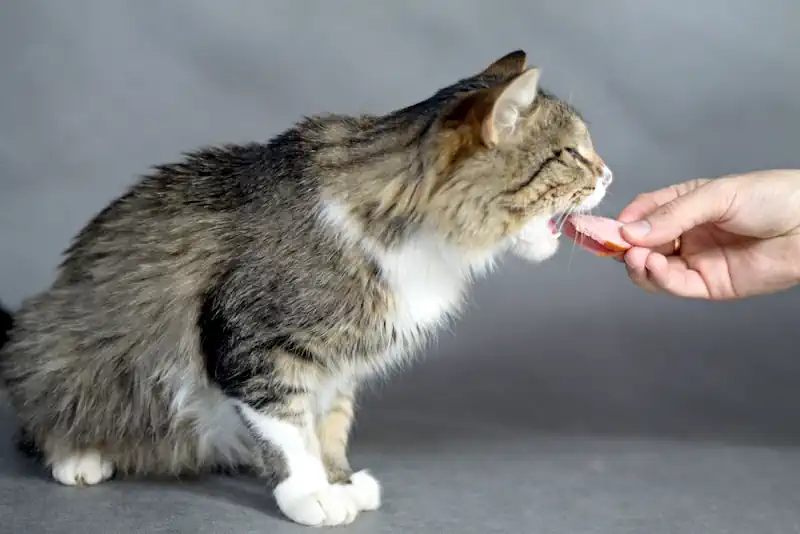
- Your cat’s favorite treats (small, soft treats work best)
- A quiet training area free from distractions
- 5-10 minutes of uninterrupted time
- Plenty of patience!
Follow these simple steps from Dr. Hsia:
- Hold a treat close to your cat’s nose so they can smell it
- Slowly move your hand with the treat upward and slightly backward
- As your cat follows the treat with their head, their bottom will naturally lower
- The moment they sit, say “sit” clearly and immediately give them the treat
- Repeat this process several times during short training sessions
The magic of this technique is that you’re working with your cat’s natural body mechanics. As they look up to follow the treat, sitting becomes the most comfortable position. With repetition, they’ll connect the command “sit” with both the action and the reward.
Leveling Up: Teaching Your Cat to High Five
Once your cat has mastered sitting on command, you can move on to this crowd-pleasing trick that showcases your cat’s dexterity and intelligence.
The Perfect High Five Training Method
Dr. Hsia recommends this approach:
- Hold a treat in one hand and show it to your cat
- Raise your hand slightly above their head so they naturally reach up
- As they lift their paw toward the treat, say “high five” clearly
- When their paw makes contact with your hand, immediately reward them
- Practice regularly until your cat associates the command with the action
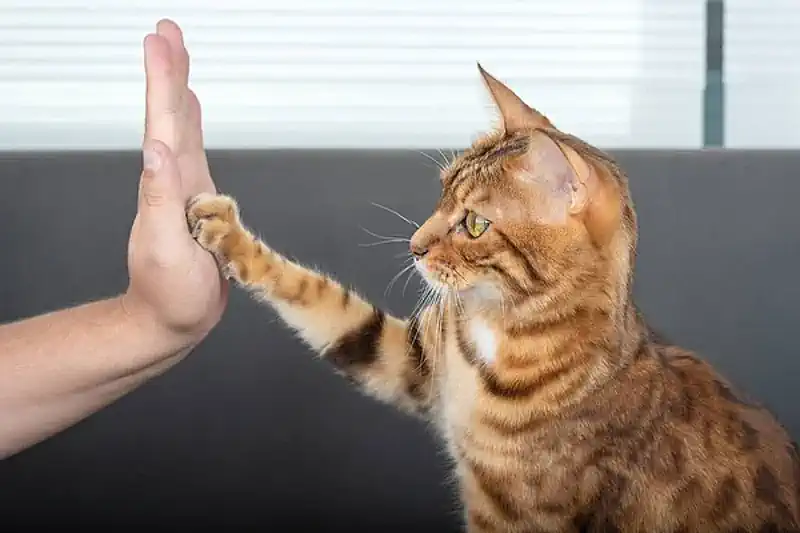
Many cats take to this trick quickly because it builds on their natural pawing behavior. Don’t be discouraged if your cat initially uses both paws or seems confused – with consistent practice, they’ll refine their technique to a perfect high five!
Advanced Training: Teaching Your Cat to Roll Over
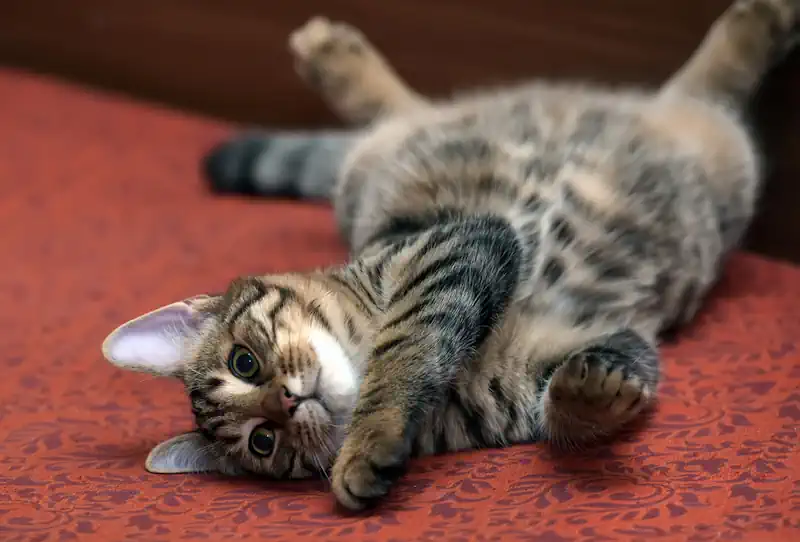
Ready for a challenge? Rolling over is considered an advanced trick for cats, but with patience and the right approach, many felines can master this impressive maneuver.
Breaking Down the Roll Over Process
For this more complex trick, Dr. Hsia suggests:
- Start by having your cat lie down comfortably
- Hold a treat near their nose, then slowly move it toward their shoulder
- Guide them to follow the treat with their head, which naturally causes their body to roll
- Once they complete even a partial roll, reward them immediately
- Gradually work toward a complete rollover, rewarding progress along the way
This trick requires breaking the behavior into smaller steps and rewarding incremental progress. Some cats may never fully master a complete rollover, and that’s perfectly okay! Celebrate whatever level of success your individual cat achieves.
Common Cat Training Challenges
Even with perfect technique, you might encounter some roadblocks in your training journey. Here are solutions to the most common challenges cat trainers face:
When Your Cat Loses Interest
If your cat seems bored or distracted during training, try scheduling sessions right before mealtime when they’re most motivated by food rewards. Keep sessions ultra-short – even just 2-3 minutes can be productive. You might also experiment with higher-value treats reserved exclusively for training time.
Remember that training should always be fun for both of you. If either of you is getting frustrated, it’s better to end on a positive note with a simple success and try again later when you’re both in a better mindset.
Building Consistency Across Family Members
Cats thrive on consistency, so ensure everyone in your household uses the same commands and reward system. Consider having “training demonstrations” where you show family members exactly how you’re teaching each trick to maintain a unified approach.
When multiple people participate in training, your cat learns that responding to commands is rewarding regardless of who gives them, which helps generalize their learning.
Taking Your Cat’s Training to the Next Level
Once your cat has mastered basic commands, you might be surprised by how much more they can learn! Many cats can be taught to fetch, come when called, or even navigate simple obstacle courses with the right motivation and training approach.
The key to advanced training is building on skills your cat already knows and maintaining that perfect balance of challenge and reward. Always end sessions before your cat loses interest, and celebrate small victories along the way.
Creating a Regular Training Routine
For best results, incorporate brief training sessions into your daily routine. Just 5 minutes before breakfast or dinner can yield impressive progress over time. Consistency matters more than duration when it comes to successful cat training.
Consider keeping a training journal to track which commands your cat knows, what motivates them most effectively, and which new skills you’d like to work on next. This can help you stay organized and see how far you’ve both come in your training journey.

Your Cat’s Hidden Potential
Teaching your cat tricks isn’t just about showing off their abilities – it’s about enriching their life, strengthening your bond, and providing the mental and physical stimulation they need to thrive. With patience, consistency, and positive reinforcement, you’ll be amazed at what your feline friend can learn.
Remember that the journey is just as important as the destination. Even if your cat never masters a perfect rollover, the time you spend together during training sessions creates meaningful connections and happy memories for both of you.
Have you started teaching your cat tricks yet? I’d love to hear about your experiences in the comments below!