Sure, I packed on a few pounds this winter. But who didn’t? But hey, I’m no slacker. I know when it’s time to get with the plan…the fitness plan, that is. Gotta loosen up the ol’ muscles before you run though, right? Here we go! And stur-retch!

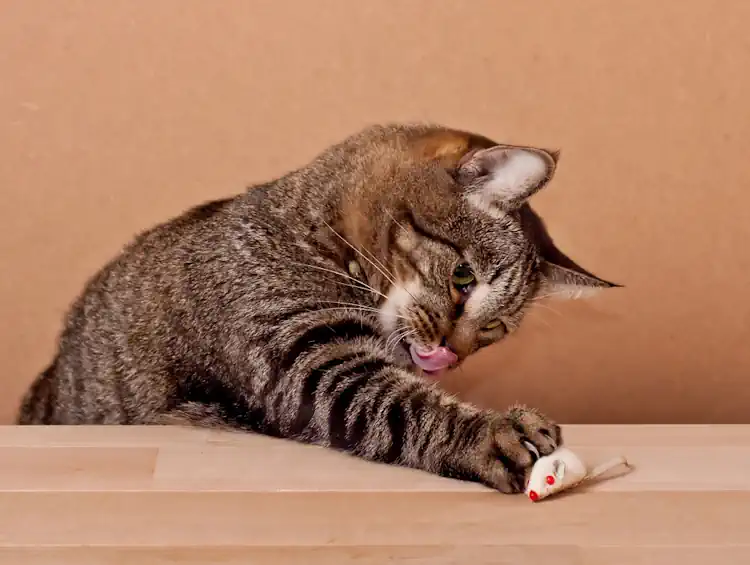
Kittens are usually pretty active, but as they get older, most cats (not all!) tend to slow down a bit. It’s good if you can encourage them to keep active. A few minutes a day of a fun game, such as chase the string or the laser light, can get kitty’s activity level up and help to keep him healthy. Plus, it’s so much fun to watch their antics as they chase the string or the light!
Playtime Across Your Cat’s Lifespan
Cats are known for their playful nature, but did you know that their activity levels and play preferences can change significantly as they age? Understanding these changes can help you provide your kitty with the most appropriate and engaging playtime experiences throughout their life. Let’s take a closer look at how cats’ play needs evolve across different life stages.
Kittens (0-6 months)
Kittens are bundles of energy, curiosity, and mischief. During this stage, frequent play sessions are essential for helping them develop physical coordination, hunting skills, and social bonds. Ideal toys for kittens include small, lightweight objects they can easily bat around, such as crinkle balls, soft mice, or feather wands. Encourage your kitten’s natural predatory instincts with toys that mimic prey, like a wiggling string or a laser pointer (just be sure to let them catch a physical toy at the end of the session).
Adolescent Cats (6 months – 2 years)
As cats enter adolescence, they may start to develop individual preferences for certain types of play. Some may love chasing and pouncing, while others prefer wrestling or stalking. Observe your cat’s behavior during playtime and adapt your toy selection and play style accordingly. Puzzle feeders and toys that dispense treats can provide mental stimulation and keep adolescent cats engaged.
Adult Cats (2-8 years)
While adult cats may start to slow down slightly compared to their younger selves, regular play and exercise are still important for their physical and mental well-being. Keep adult cats interested in playtime by rotating their toys regularly and introducing new challenges, such as hiding treats around the house for them to find. Interactive play sessions, where you control a toy like a fishing pole or wand, can help maintain the bond between you and your adult cat.
Senior Cats (8+ years)
As cats enter their golden years, they may experience decreased mobility and energy levels. This doesn’t mean playtime has to stop, but it may need to be adjusted to suit their changing abilities. Soft, lightweight toys that are easy to grasp and manipulate are ideal for senior cats. Gentle play sessions, such as rolling a ball or tossing a plush toy a short distance, can keep them engaged without overexerting them. It’s also important to schedule regular check-ups with your veterinarian to identify any underlying health issues that may impact your senior cat’s ability to play.
Remember, every cat is unique and may not fit perfectly into these age categories. Some cats may remain playful and energetic well into their senior years, while others may prefer a more relaxed approach even as young adults.
The key is to pay attention to your individual cat’s needs and preferences, and adapt your playtime routine accordingly. By providing age-appropriate toys and activities, you can help keep your cat active, entertained, and mentally stimulated throughout their life.


lovely.
comme il est beau ce chat !!!!
Muito gato!!!
Ce chat est trés mimi